Tel.: +86 188 6774 7750
E-mail: afvalve@chinavalvesmfg.com

Tel.: +86 188 6774 7750
E-mail: afvalve@chinavalvesmfg.com
Once upon a time, a Bellows Globe Valve lived in a small factory in a bustling industrial town. One day, the factory was hit by a massive power outage, and all the machinery came to a sudden halt. The workers panicked, unsure how to get the factory up and running again. But the Bellows Globe Valve was not one to be intimidated. It had an essential role in getting the factory back online. With a quick turn of its handle, the valve sprang to life. Releasing a burst of compressed air that jumpstarted the machinery. The workers were amazed as they watched the Bellows Globe Valve work its magic. And they soon realized that it was the hero of the factory. From that day on, the Bellows Globe Valve was respected.
1. One of the most common issues with Bellows Globe Valves is leakage. This can cause fluid or gas to escape through the valve. It leads to reduced efficiency and can cause potential safety hazards.
Several reasons for the leakage of the bellows globe valve are as follows
1. Related to the pipeline pressure, the medium flows from the large pipeline to the small pipeline, the pressure increases sharply, and the impact force is too large, causing the bellows to rupture.
2. The number of filters and traps installed on the pipeline is too less, there are too many impurities in the medium, and the sealing surface is damaged, resulting in leakage of the bellows seal globe valve
3. Some bellows seal globe valves are installed at the bottom of the pipeline exceeding 2 meters, the medium is from top to bottom, and the impact force is too large, which causes the bellows to rupture and the valve to leak
4. Related to the use, the leak proof bellows globe valve itself has a positioning stroke. The operator opens the valve excessively, causing the positioning piece to break, and the bellows is pulled to deform, which causes the bellows to rupture and the valve to leak.
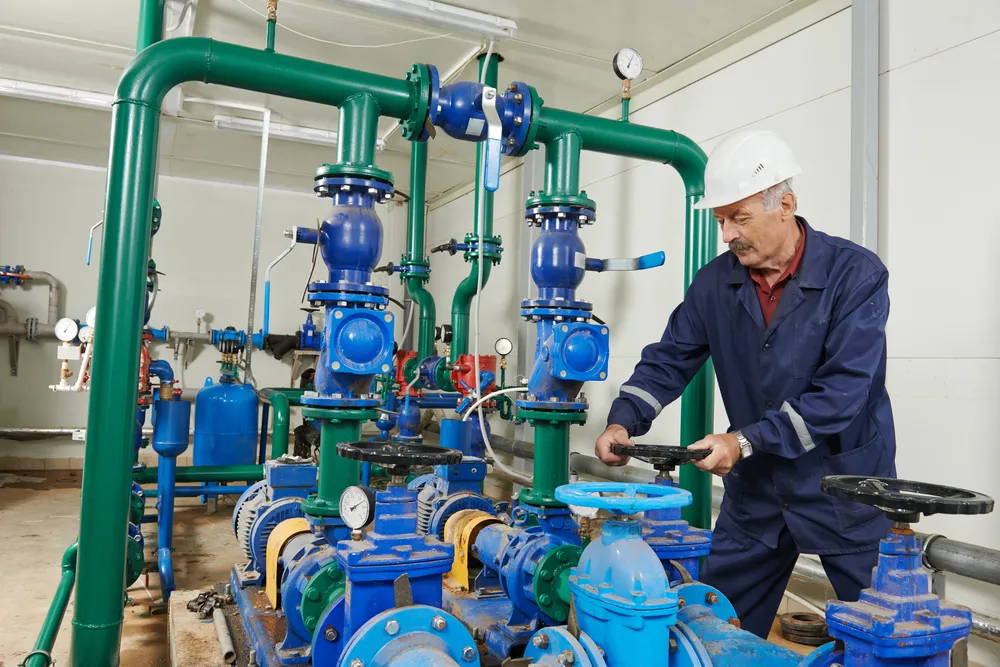
Reasonable use of the bellows seal globe valve generally does not leak
Not for its efficiency and reliability. But for its quick thinking and problem-solving skills. It became a symbol of the factory’s resilience and determination. To overcome any challenge that comes, it is the way. And so, the leak proof valves continued to serve the factory for many years. Always ready to spring into action whenever it was needed. It had found its true calling as a critical component of the factory’s success. And it was proud to play its part in keeping the wheels of the industry turning.
Bellows Globe Valves are used in various industrial applications to control fluid flow. Despite their sturdy construction and reliable performance, a few common problems exist. That can occur during their use.
Problems while using Bellow Globe Valve
● Another issue that can arise with bellows globe leak proof valves is corrosion. Over time, the fluids or gases flowing through the valve body and components can be corroded. Especially if they are exposed to harsh chemicals or corrosive substances. This can lead to decreased performance, and the valve may need to be replaced in severe cases.
● Additionally, Bellows Globe Valves can also experience problems with their seating surfaces. If the valve is not aligned or the seating surfaces are damaged, it can result in uneven flow or leakage. This can lead to reduced efficiency, increased maintenance costs, and potential safety hazards.
Finally, improper operation can cause problems with Bellow’s Globe Valves if the valve is operated outside its specified limits, such as excessive temperature or pressure. It can cause damage to the valve components and affect its performance.
Maintaining of leak proof valves
Maintaining Bellows Globe Valves is essential to avoid these common problems. And follow the manufacturer’s recommended operating procedures. Regular inspections and maintenance can help to identify potential issues. Before they become significant problems, ensure that the valve continues to perform over its lifespan.
Leak proof valves are used in industrial applications. That is to regulate fluid or gas flow. Yet, several problems can occur with these valves, including leakage, corrosion, problems with seating surfaces, and improper operation. Leakage can occur due to wear and tear of the bellows. Also, due to damage to the bellows, misalignment of the valve. Or over-tightening of the packing gland.
Misalignment of the valve, vibration, and mechanical stress, cause damage. And improper operation can cause valve damage. As can corrosion and erosion. To prevent these problems, regular maintenance is required. Using compatible fluids and materials and controlling excessive pressure and temperature is essential. Regular inspections can identify issues before they become major problems. And can extend the lifespan of the valve. By taking these steps, Bellows Globe Valve leakage can be minimized. Ensuring safe and efficient operation.

Problems Leading to Bellows Globe Valve Leakage
Bellows Globe Valve leakage can occur due to several problems. Including wear and tear of the bellows, damage to the bellows, and misalignment of the valve. And over-tightening of the packing gland.
The bellows in a Bellows Globe Valve are designed to prevent leakage. That is done by creating a seal between the valve stem and the body. Yet, the bellows can become worn out over time and lose their elasticity. Or become damaged due to exposure to harsh chemicals or high temperatures. This can result in the leakage of fluid or gas through the valve.
Besides wear and tear of the bellows, misalignment of the valve can also cause leakage. If the valve is not aligned, it can cause the bellows to twist, bend or become compressed. It can drive to the failure of the seal and leakage. Over-tightening of the packing gland can also cause leakage. If the packing gland is tightened too much, it can deform the bellows. Or cause them to become damaged, leading to leakage.
It is important to ensure that the bellows are maintained to prevent leakage. The valve is aligned. And the packing gland is tightened to the manufacturer’s recommended torque specifications. Regular inspections can help to identify potential problems. And prevent leakage before it becomes a major issue.
Causes of Bellows Globe Valve Damage
Bellows Globe Valve damage can occur due to various causes, including corrosion, erosion, vibration, mechanical stress, and improper operation. Corrosion is a common cause of valve damage. Especially if the valve is exposed to harsh chemicals or corrosive substances. Corrosion can cause the valve body and components to deteriorate over time. This can affect the valve’s performance and lead to leaks or failure.
Erosion can also cause valve damage. Particularly in applications where high-velocity fluids or gases are present. The constant impact of the liquid or gas on the valve components can cause erosion. It can lead to leaks or even failure of the valve. Vibration can also cause damage to Bellows Globe Valves. Excessive vibration can cause the valve components to loosen or become damaged. It leads to leaks or failure.
Mechanical stress can also cause damage to the valve components, including the bellows. If the bellows become damaged or deformed, it can result in leakage or failure of the valve. Improper operation can also cause damage to the valve components and affect its performance. To prevent valve damage, it is important to maintain the valve. And follow the manufacturer’s recommended operating procedures. Regular inspections and maintenance can identify potential problems before they become major issues. And can extend the lifespan of the valve.
How to Prevent Bellows Globe Valve Leakage
Bellows Globe Valve damage can occur due to various causes. It includes corrosion, erosion, vibration, mechanical stress, and improper operation.
1. Corrosion is a common cause of valve damage. Especially if the valve is exposed to harsh chemicals or corrosive substances. Corrosion can cause the valve body and components to deteriorate over time.
2. Erosion can also cause valve damage. Particularly in applications where high-velocity fluids or gases are present. The constant impact of the liquid or gas on the valve components can cause erosion. This can lead to leaks or even failure of the valve.
3. Vibration can also cause damage to leak proof valves. Excessive vibration can cause the valve components to loosen or become damaged. Leading to leaks or failure.
4. Over-tightening of the packing gland can also cause damage to the valve components, including the bellows. If the bellows become damaged or deformed, it can result in leakage or failure of the valve.
5. Operating the valve outside its specified limits causes damage to the valve components. And affect its functionality.
To prevent valve damage, it is important to maintain the valve. Regular inspections and maintenance can help to identify potential problems.

Conclusion
Bellows Globe Valves are used in industrial applications. That is to regulate fluid or gas flow. Yet, several problems can occur with these valves. Including leakage, corrosion, problems with seating surfaces, and improper operation. Leakage can occur due to wear and tear of the bellows and damage to the bellows. Misalignment of the valve or over-tightening of the packing gland can also be the cause. Misalignment of the valve, and vibration, causes problems.
Mechanical stress and improper operation can all cause valve damage. As can corrosion and erosion. To prevent these problems, proper installation and regular maintenance are required. Also, avoiding over-tightening of the packing gland is necessary. Using compatible fluids and materials and controlling excessive pressure and temperature is essential. Regular inspections and maintenance can identify potential issues before they become major problems and can extend the lifespan of the valve. By taking these steps, Bellows Globe Valve leakage can be minimized. Ensuring safe and efficient operation.